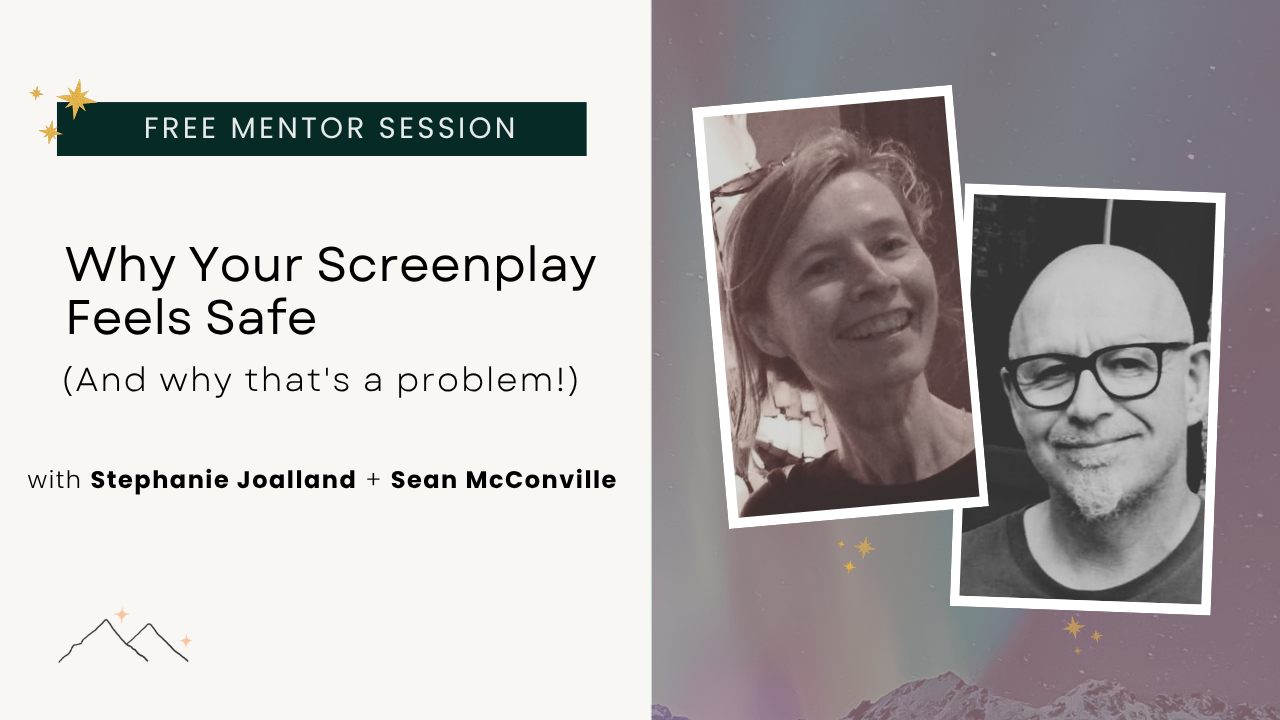
Get instant access to this free insider conversation with award-winning filmmaker Stéphanie Joalland and director/ screenwriter Sean McConville — where they break down what actually makes them pay attention when a script lands on their desk.
Not what’s “good writing.” Not what passes. What actually makes them want to keep reading!
You’ve learned the rules. You’ve studied structure. You’ve worked on formatting, pacing, dialogue — all the things you’re supposed to do.
And on paper, your screenplay is solid.
But so are hundreds of others sitting in the same pile.
And at a certain point, “solid” stops being enough to get a response.
Not because you’re doing it wrong — but because nothing is standing out.
That’s exactly what I wanted to explore in this conversation!
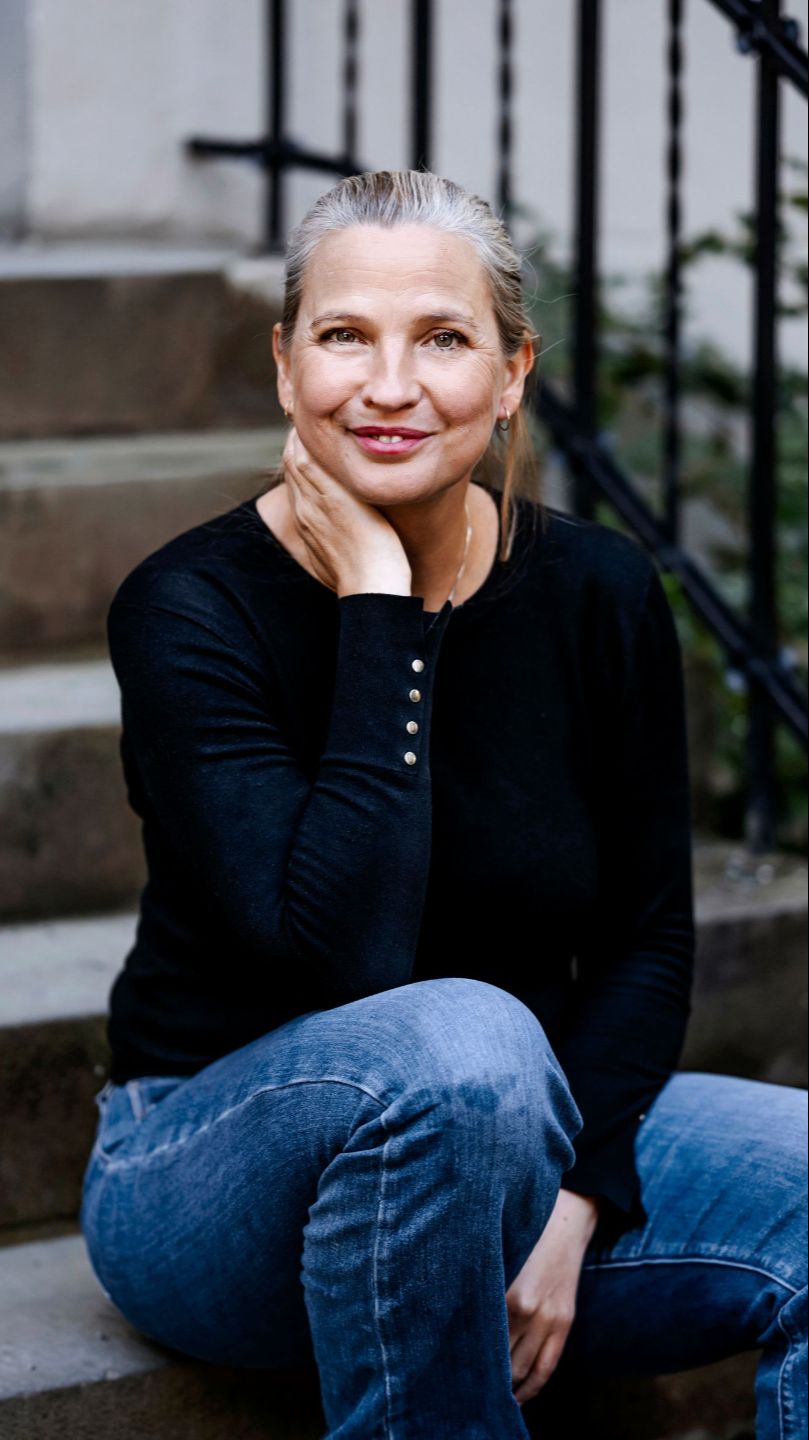
I’m Ingvill Konradsen, founder of the Aurora Writers Retreat.
And I sat down with two of our mentors for next year — Stéphanie Joalland and Sean McConville — for a direct conversation about what actually makes them stop and take notice when a script lands on their desk.
Stéphanie is an award-winning filmmaker whose feature The Quiet Hour is on Netflix. She lectures at Cambridge and the National Film and Television School.
Sean is a writer-producer who's worked on Star Wars: The Phantom Menace and the James Bond films GoldenEye and Tomorrow Never Dies.
Together, they've read thousands of scripts. They know what works. They know what doesn't. And in this conversation, they don't hold back!
If you’ve ever sent out a script you felt good about, only to hear nothing back, this is for you!
Or if you’ve had feedback like “strong writing” or “well executed” and still had no idea why the script isn’t landing — this will help you make sense of it.
Because in reality:
Most scripts aren’t rejected for being bad.
They’re ignored for being safe.
Get instant access...
Drop your details below, and I'll send you this insider conversation — straight to your inbox!
Inside you’ll discover:
-
What "voice" actually means in screenwriting — and why most writers are being taught to suppress it
-
The difference between amateur rule-breaking and masterful rule-breaking
-
How to know when you're ready to break the rules (and which rules are worth breaking!)
-
The one question that changes how you look at your protagonist
-
Why proactive characters create structure naturally
This conversation offers a glimpse into the kind of creative transformation we dive into at the Aurora Writers Retreat — a week-long immersion from January 24th–30th 2027, in Senja, Northern Norway.
It’s a week away from constant fixing, adjusting, and second-guessing your writing.
Away from deadlines, feedback notes, and the pressure to make every scene work.
And back into the part of writing that’s instinctive — story, character, voice.
Set in one of the most awe-inspiring, creativity-shifting landscapes you can write in, it gives you the space to step out of overthinking and into clarity — so your writing actually starts to work on the page.
With world-class mentors around you, the noise drops away enough that you can actually hear your own instincts again!
Most writers don’t need more information — they need guidance that changes how they see and shape their writing.
And that’s what this week is built around!