How to Stop Dating Your Imaginary Movie.
May 12, 2026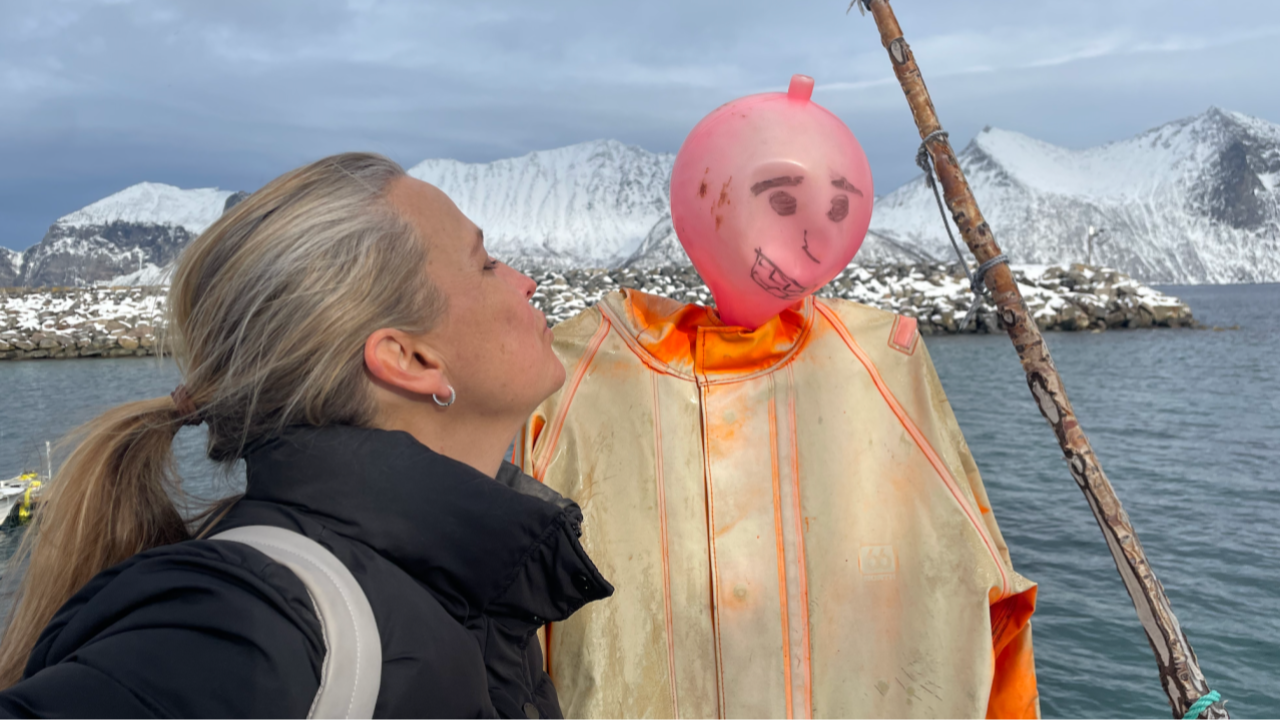
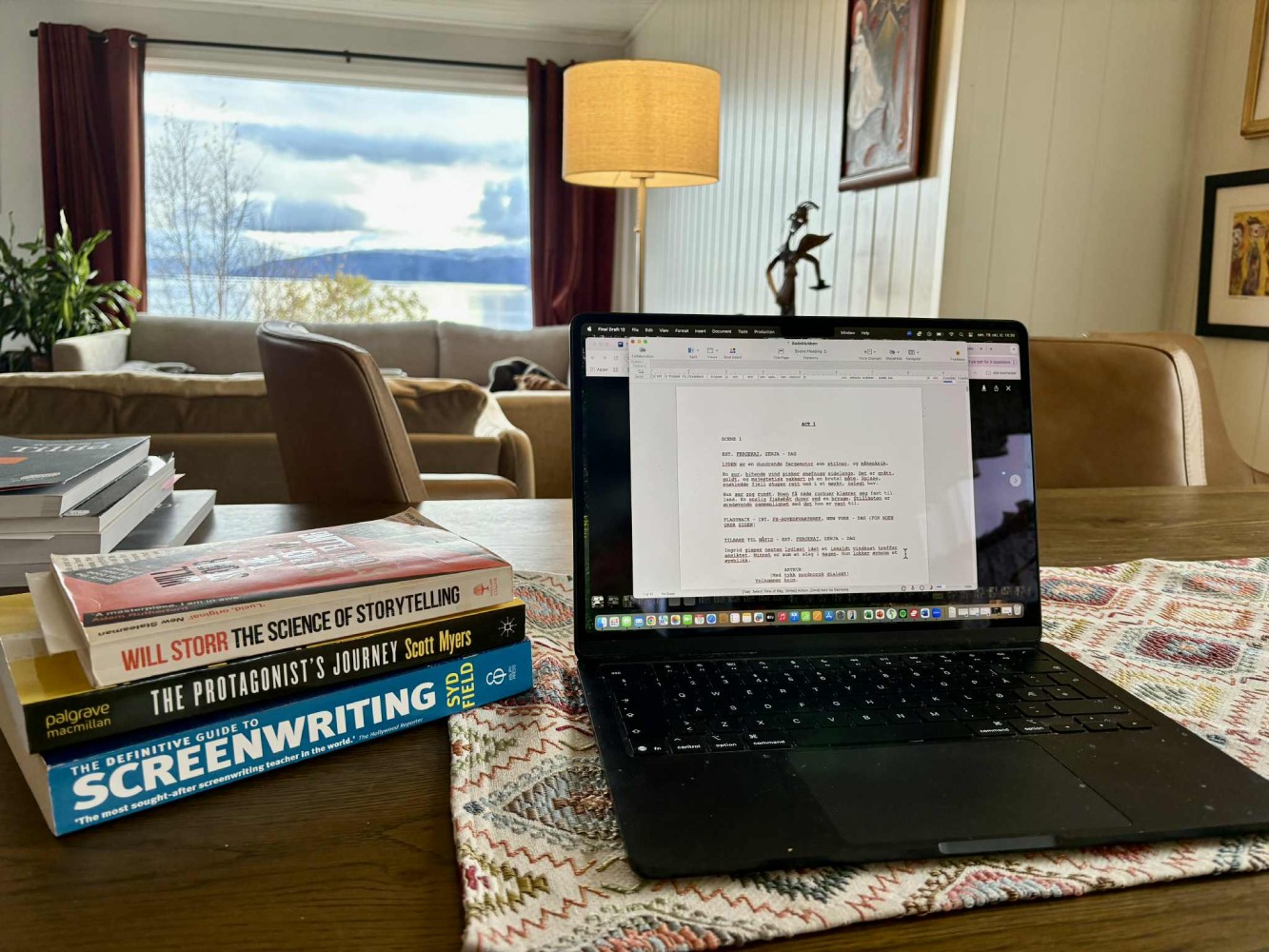
I've been thinking about my screenplay for years. Years. First as a TV series — six episodes, with several quietly hopeful seasons waiting in the wings. Then, after thoughtful conversations with friends, with industry professionals, and with myself in the shower, I pivoted: a feature film, surely the more sensible choice. And then I thought about it some more.
As long as my screenplay lived safely in my head, it was flawless. Brilliant. Emotionally complex. Sexy, even (LOL). My film had a future: festival laurels, a discreet whisper of "Cannes," and a panel discussion in which I'd say something genuinely interesting.
But the actual writing of the first draft? That felt like agreeing to a deeply awkward first date with someone I'd spent years building up in my head. What if my screenplay showed up and wasn't as charming as I'd imagined? What if it had a fatal flaw in the second act? The moment I typed "FADE IN," I'd have to confront the messy, flawed, deeply human reality of the work — and the first draft would never be as perfect as the imaginary boyfriend.
So I kept the story in my head, where it couldn't be hurt.
Does any of this sound familiar?
The movie running on a loop in your head — the opening shot takes your breath away, the dialogue crackles, the imaginary audience leaps to its feet. Then you open the laptop, and that smug, blinking cursor sits there saying: Alright, hotshot. Let's see it.
And — poof. The brain that was a fountain of ideas thirty seconds ago is now a clean, white, empty room. Your confidence packed a bag and left without leaving a forwarding address.
If this is you: welcome aboard. The feeling isn't a fraud. It's the secret password to the writers' club.
When the Idea Feels Bigger Than You
At the root of this creative paralysis isn't a shortage of ideas. It's the fear of failing the one you have. We keep our stories safe in our heads, where they can stay perfect and untested, rather than risk them on the page.
So: how do we break up with the imaginary screenplay and start a real relationship?
We let go of perfect. We accept the awful first date. We give ourselves permission to belly flop. The first draft has exactly one job — to exist. It doesn't have to be beautiful. It just has to be written. We are not attempting a swan dive. We are getting in the water.
And here's the thing: once you've done that, you're already inside the room where the craft happens. As Sean McConville reminds writers in his Aurora masterclasses — learn the rules so well that when you break them, it's on purpose. You can't break a rule you've never written down.
So let's start with one.
Your Mission, Should You Choose to Accept It: The Synopsis of Your Life
A synopsis is the one-paragraph backbone of any story. Five plot points. That's it. It's not the whole map, but it's enough to know which way you're walking.
Grab a pen, or open a doc, and — without giving your inner critic time to put on its glasses — write the story of one moment in your own life, using these five beats:
- The Protagonist. A character (that's you!) is living their perfectly normal life, until…
- The Inciting Incident. …something kicks the door in and sends them sideways…
- The Goal. …and now this character wants something concrete, tangible, urgent…
- The Obstacle. …but a formidable obstacle (internal, external, or — most fun — both) stands in their way…
- The Stakes. …and they must overcome it, because if they fail: [what happens?].
One note from Stéphanie Joalland that I keep coming back to: the writer shouldn't be too invisible on the page. Your fingerprints belong there. So do your character's inner thoughts. The plot is what they do. The story is what they feel about doing it. If we can't see it, we can't feel it. So when you write the five beats above, push yourself one layer deeper: what is your protagonist thinking? Can you get that onto the page?
Here's the synopsis for the screenplay I'm actually writing:
Selma, a celebrated UN leader living a seemingly perfect life in New York, watches her world come crashing down when she discovers her charismatic husband has a secret family. Humiliated and broke, she's forced home to her brother in a small fishing village on Senja, where survival means a job at the fish factory and being reluctantly dragged into the tragicomic world of Tinder. Among all the chaos, she founds an ice-bathing club for the local women and discovers an inner strength and self-respect she never knew existed. Then her charming, regretful ex-husband reappears, offering her her old life back. Now she must choose between the false security he represents and the fragile, authentic future she's only just begun to carve out — and decide whether to remain a victim of her past or take control of her own story.
See? It's just a story. And you get to be the hero of your own — you decide.
When you can find the structure in your own life, finding it in your screenplay feels a hundred times more possible. You've just laid down the first plank on the bridge from your head to the page.
And if you're ready to stop dating your imaginary screenplay and finally make a real commitment — Aurora is the week we built for exactly that. A small group of writers above the Arctic Circle, with mentors who've worked on Top Boy, GoldenEye and Netflix, and a landscape that does most of the silent work. Built around screenwriting; open to novelists, poets and actors too.
PS — I'll be at Aurora myself, working on this screenplay alongside everyone else. So if you'd like to spend a week with people who'll discuss your story, make you laugh, occasionally maybe make you cry, and gently push you to belly flop bravely onto the page, do come.
Stay connected with news and updates!
Join our mailing list to receive the latest news and updates from our team.
Don't worry, your information will not be shared.
We hate SPAM. We will never sell your information, for any reason.