A Military Tag and a Raspberry Lollipop
May 17, 2026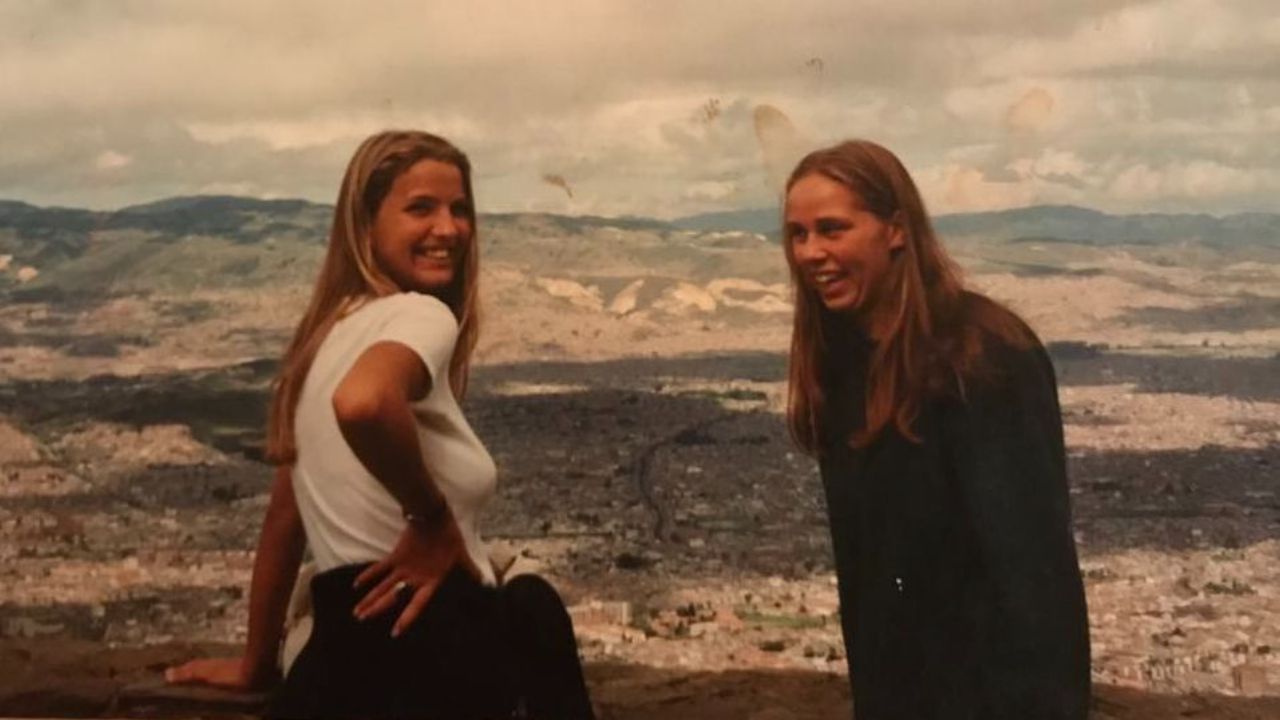
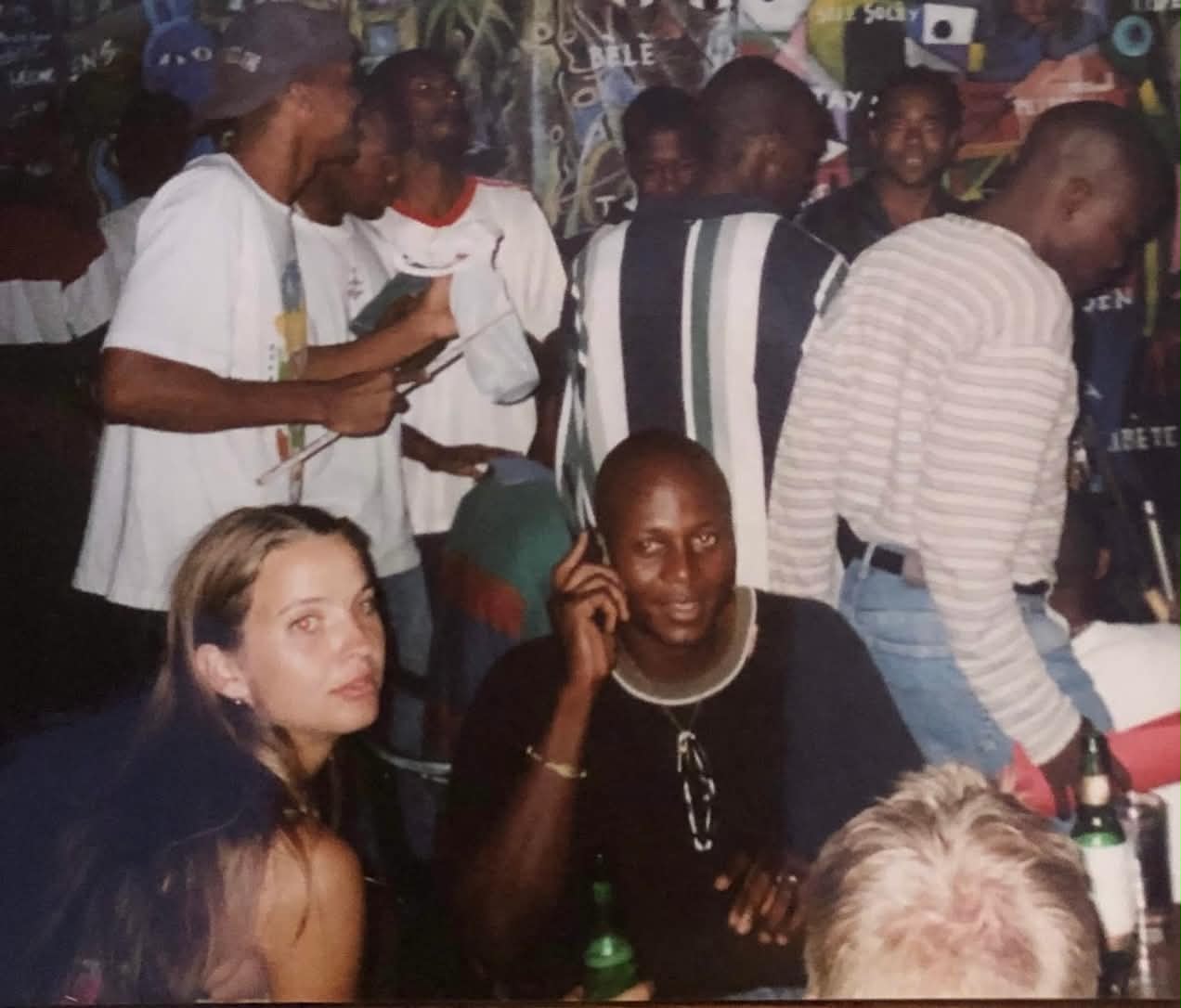
Papillon Bar in downtown Quito, March 1996. A tiny, sweaty bar full of locals and foreigners chasing the next flirt, exactly the kind of place a twenty-five-year-old Norwegian girl on a gap year would head straight for on her first night in the city. I had landed a UN volunteer position between my bachelor’s and my master’s degree, which sounds very grown-up when I put it that way, but mostly meant I had a small stipend, far too much free time, and no plan beyond, in my own words at the time, checking out the "local goods", or rather, the local God's gift to women, as it were.
(Lord, the things I wrote in my diary at that age. We will get to that later.)
He walks in, tall, dark, ridiculously handsome, with a small string of Ecuadorian women trailing behind him. Black jeans, white t-shirt, a military tag on a chain around his neck. And, this is the detail my brain will not let go of, a raspberry lollipop in his mouth. His tongue is very pink. I can smell the berry on him before he says a word.
I have told this story so many times now that my friends have started rolling their eyes, but humour me. The longer I tell it, the more I notice what twenty-five-year-old me actually bothered to remember. The loud salsa music. Two drunk European girls dancing on top of the bar. The military tag. The raspberry lollipop.
These are not clever little details I sprinkled in afterwards. They are what I actually saw. They are mine, completely, nobody else in that bar that night has them, and nobody else could write this scene.
I have kept diaries since I was a teenager. Back home in northern Norway they live in an old immigrant trunk that my grandfather brought back from the seven seas in the 1950s. The trunk is full of notebooks, old photographs, ticket stubs from Madonna’s Like a Virgin tour in the South of France (yes, I went, I queued, I cried), magazine cut-outs of Wham!'s Andrew Ridgeley and, for reasons that escape me now, Paul Young.
There are entries in there I would be politely horrified to have my three sons read. Some of it makes me laugh out loud.
A little of it stops me cold. There is one entry, written the night after Papillon Bar, that I keep going back to:
I think I have met the man of my dreams. G is so cute, so funny. I need to see him again, soon. How funny that he is from Haiti. I must call Mia and tell her I have fallen in love with her Haitian cousin haha.
What can I say. She was twenty-five, in Quito, slightly drunk on equator air, and very clearly not playing hard to get. The thing is, she was not wrong about anything she put down on that page.
She just did not yet know that twenty odd years later, a Sunday newspaper would be lying in the sun on the other side of the world. She would open it to look for a family member's obituary, when a single unfamiliar name printed there would mark the (slow) beginning of the end of her life as she knew it.
At the time, in 1996, naturally, she did not have the second half of the diary page yet.
That gap between who you were when something began and who you became by the time it ended, is the material.
It is not a problem to be smoothed over. It is the engine of every story worth telling.
When writers come to Aurora Writers Retreat, this is one of the themes we work on. Not the structure. Not the genre. The seeing. The story only you can tell is sitting inside the details only you noticed.
What did you smell that morning when everything changed? What did you overhear? Whose voice cracked when they spoke? Was there a song playing on the radio, and if so, which one? (And don’t lie about the song. The cheesy one is propably the right one.)
These are not clever little details to sprinkle in afterwards. They are proof that you were there.
Only the person who was there, paying attention, can hand you that. And here is the thing I want to say to anyone who has been carrying a story around for years, half-formed and half-told: you were paying attention. You just did not realise you were taking notes.
So, if you have a few quiet minutes this week, try this. Find an old notebook, a diary, an email folder, a photo album, a Google Doc you started and abandoned. Anything from a pivotal year. Read one page, not as yourself, but as if some other writer had handed it to you and asked, what is the story hiding in here?
Notice what your past self bothered to write down. Notice what they did not yet know. And pay particular attention to the embarrassing detail you, the more sensible you, would have edited out.
That is, most likely, the one to keep. You do not need to do anything with it yet. You do not need to call it a project. You just need to see that you have an archive, and that nobody else on earth has access to it.
Aurora is a small writing retreat above the Arctic Circle in Northern Norway, with a particular focus on writers developing a screenplay for film or TV — though novelists, poets, and actors building their own material are very welcome too. One week in January, in the dark and the snow and under the Northern Lights, working in a small group on the project you have been carrying around. The next edition is January 2027.
If the immigrant trunk under your bed is starting to rattle, you might be one of us.
Hope to meet you there!
more info here: https://www.ingvillkonradsen.no/en-retreats
Stay connected with news and updates!
Join our mailing list to receive the latest news and updates from our team.
Don't worry, your information will not be shared.
We hate SPAM. We will never sell your information, for any reason.